
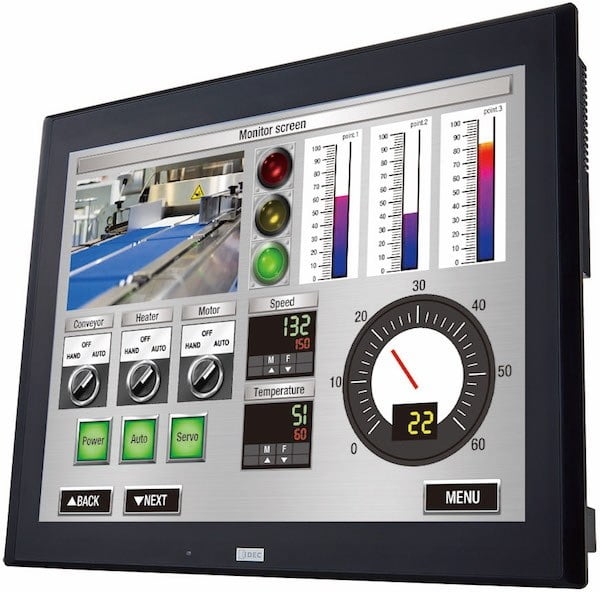

HMI screens – industrial automation
Buy From Whatsapp
₦3,800,000.00
Estimated delivery dates: Aug 2, 2026 - Aug 7, 2026
Description
HMI (Human-Machine Interface) screens in industrial automation provide critical, real-time visualization and control, bridging operators with machinery via touchscreens or panels. They enable monitoring, data logging, and parameter adjustments to improve productivity and safety. Featuring robust IP65-rated designs, these interfaces connect to PLCs for seamless, interactive process management.
Key Features of Industrial HMI Screens
- Intuitive Visualization: Real-time data, animated graphics, and interactive dashboards show machine status (temperature, speed, pressure).
- Control & Configuration: Touchscreen interfaces allow operators to adjust operating parameters, start/stop machinery, and manage recipes.
- Alarm Handling: Immediate, prioritized notifications for critical issues to reduce downtime.
- Robust Hardware: Designed for harsh environments, often with IP65-rated front panels, high-resolution LCDs, and rugged housing.
- Connectivity & Data: Ethernet, USB, and serial ports support protocols like Modbus and Ethernet/IP, enabling connectivity to PLCs, SCADA systems, and cloud storage.
Types of HMI Interfaces
- Touch Panel HMIs: Compact, dedicated units ranging from 4 to 22+ inches, widely used for direct machine interaction.
- Industrial PCs (IPCs): More powerful systems suitable for complex visualization and data-intensive applications.
- Mobile/Web-Based HMIs: Modern systems allowing remote monitoring via web servers.
Common Applications
- Manufacturing automation and production line monitoring.
- Conveyance and material handling system control.
- Water utility management and infrastructure.
Leading HMI providers include Schneider Electric, Siemens, Allen-Bradley (Rockwell Automation), Delta, and Winmate, with functionality designed to improve operator efficiency and system reliabilit
Related products
-
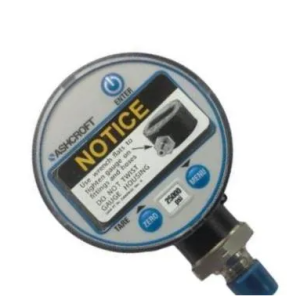
ASHCROFT DG25 DIGITAL PRESSURE GAUGE
₦200,000.00 -
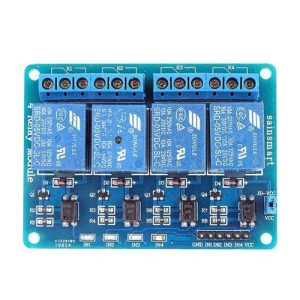
4 Channel Module(Relay)
Original price was: ₦25,000.00.₦1,500.00Current price is: ₦1,500.00. -
4-Channel Relay Module
Original price was: ₦28,000.00.₦25,000.00Current price is: ₦25,000.00. -
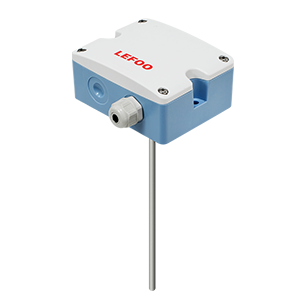
Temperature Transmitter LFW10
Original price was: ₦371,000.00.₦361,000.00Current price is: ₦361,000.00.


Reviews
There are no reviews yet.